Passion for Living Greenery in Miniature: An Interview with Fabio Modeo (DioramaPresepe.com)
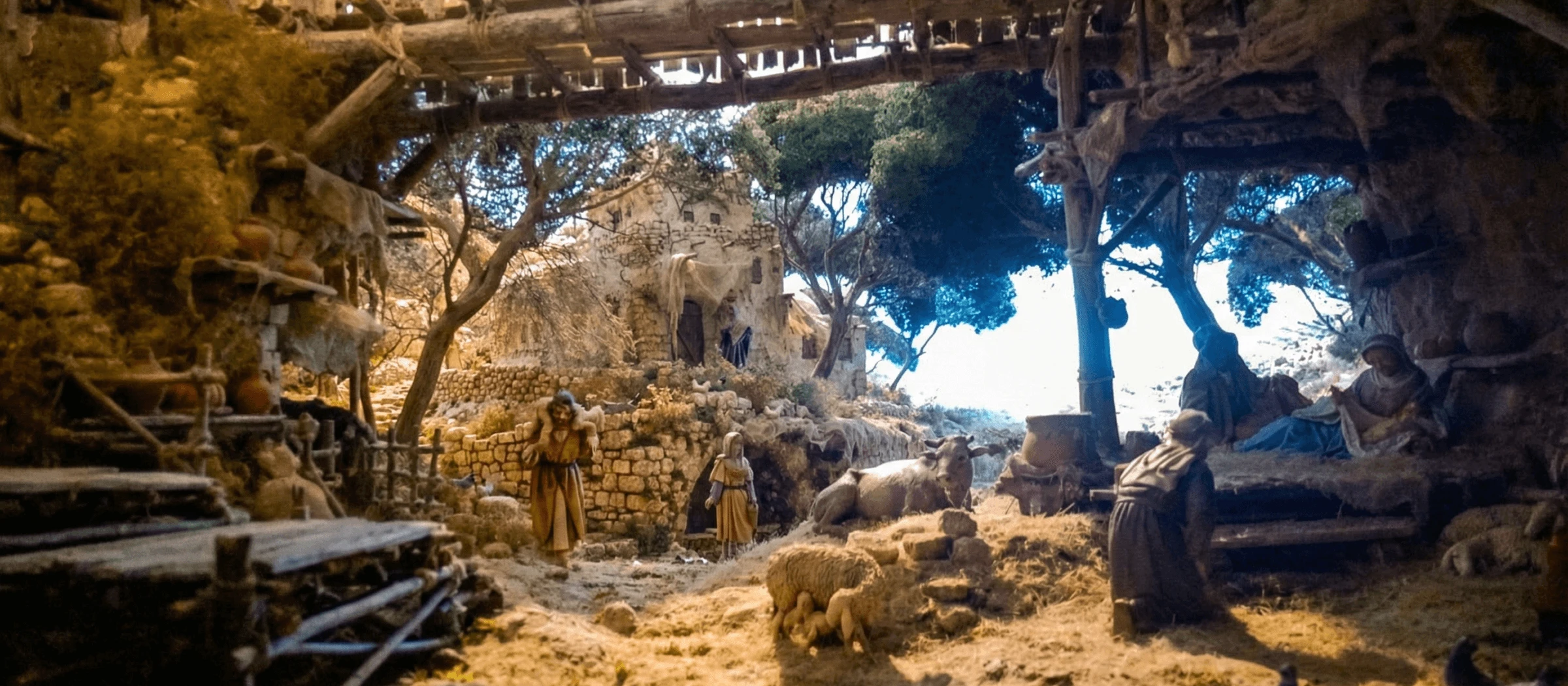
We’ve worked with Fabio Modeo of DioramaPresepe for years and keep returning for one reason: his vegetation looks alive. We spoke with Fabio about his path, materials, methods, and why he believes vegetation is the soul of a diorama. All answers below reflect Fabio’s words and intent; we’ve only polished grammar for readability.
Who he is
“I live and work in Taranto, Italy. In high school I studied graphics, and very early I started making nativity scenes (presepe). I love nature—watching it—and with my creativity I reproduce all its elements. The hobby became a business because you need money to buy products to make dioramas, so I began selling my videos where I explain my methods and secrets.”
Workshop and day-to-day
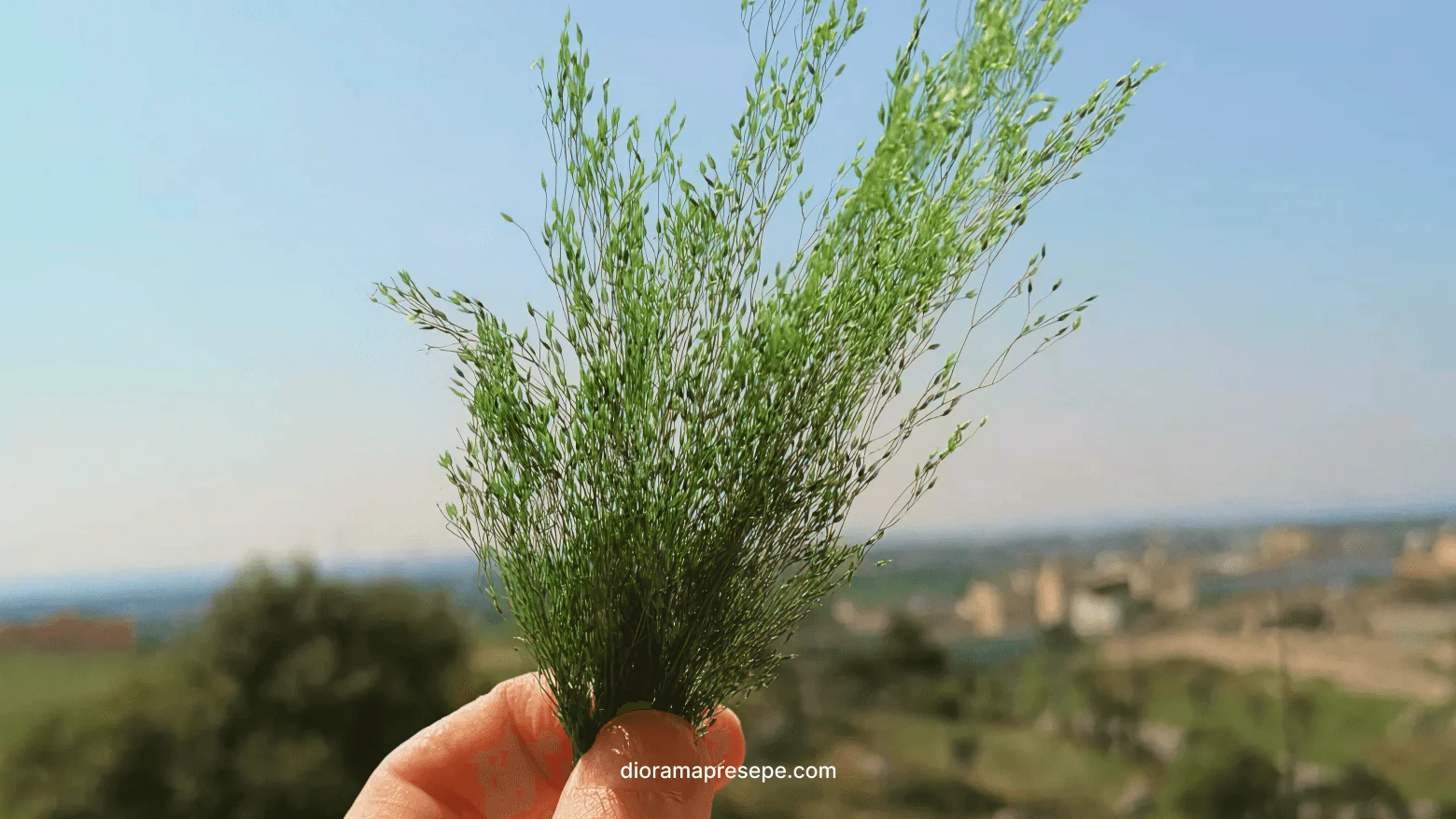
“I have a team—a family team—but the hard work is mine. My mother helps with shipping, my wife with sales and social media, and my uncle makes some products. A typical day: I wake up, read my mailbox, check my website and orders, then I work on orders and produce items. Quality control means each stage follows my personal method and the materials match the standard of the result I want.”
Why vegetation
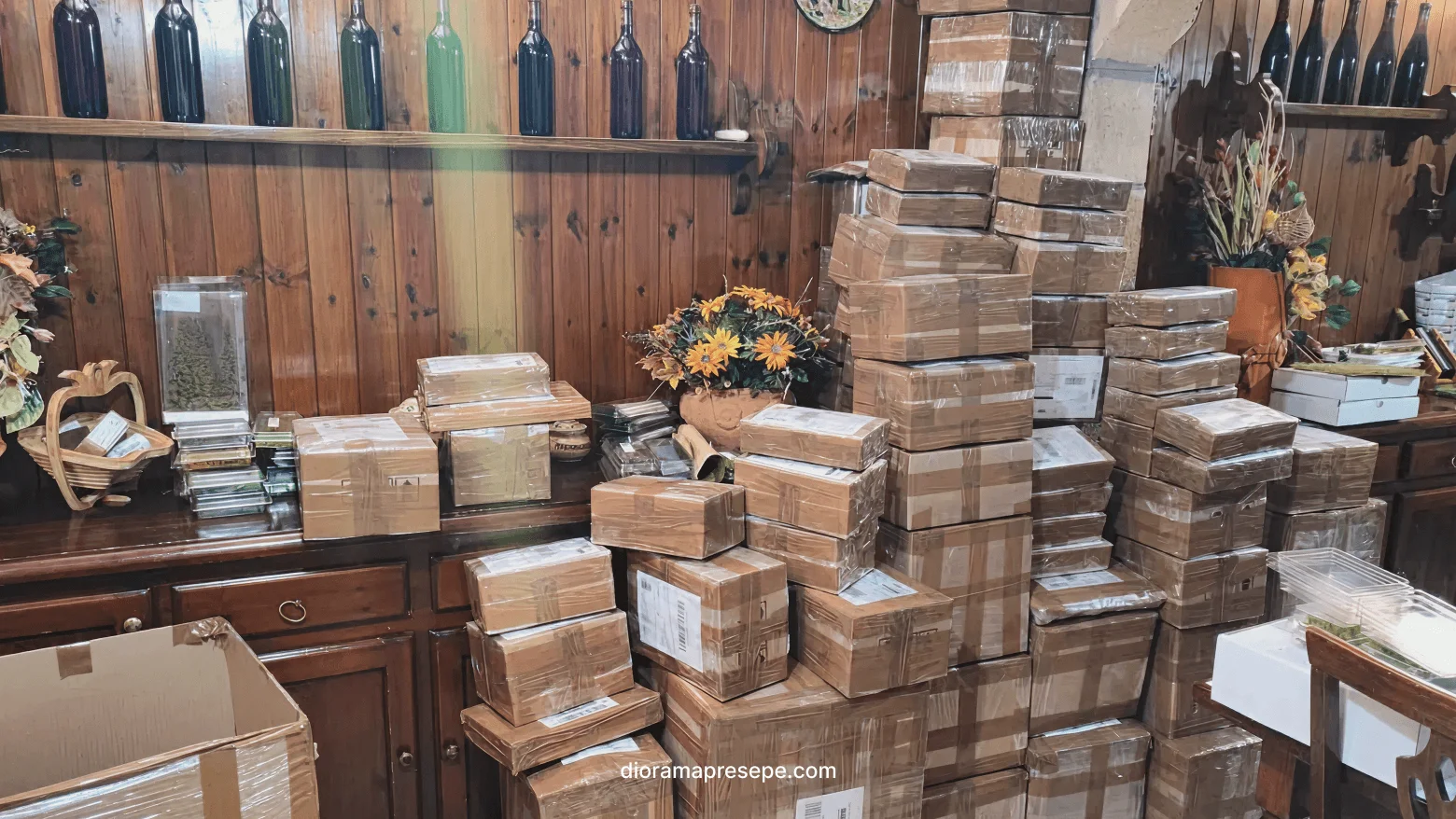
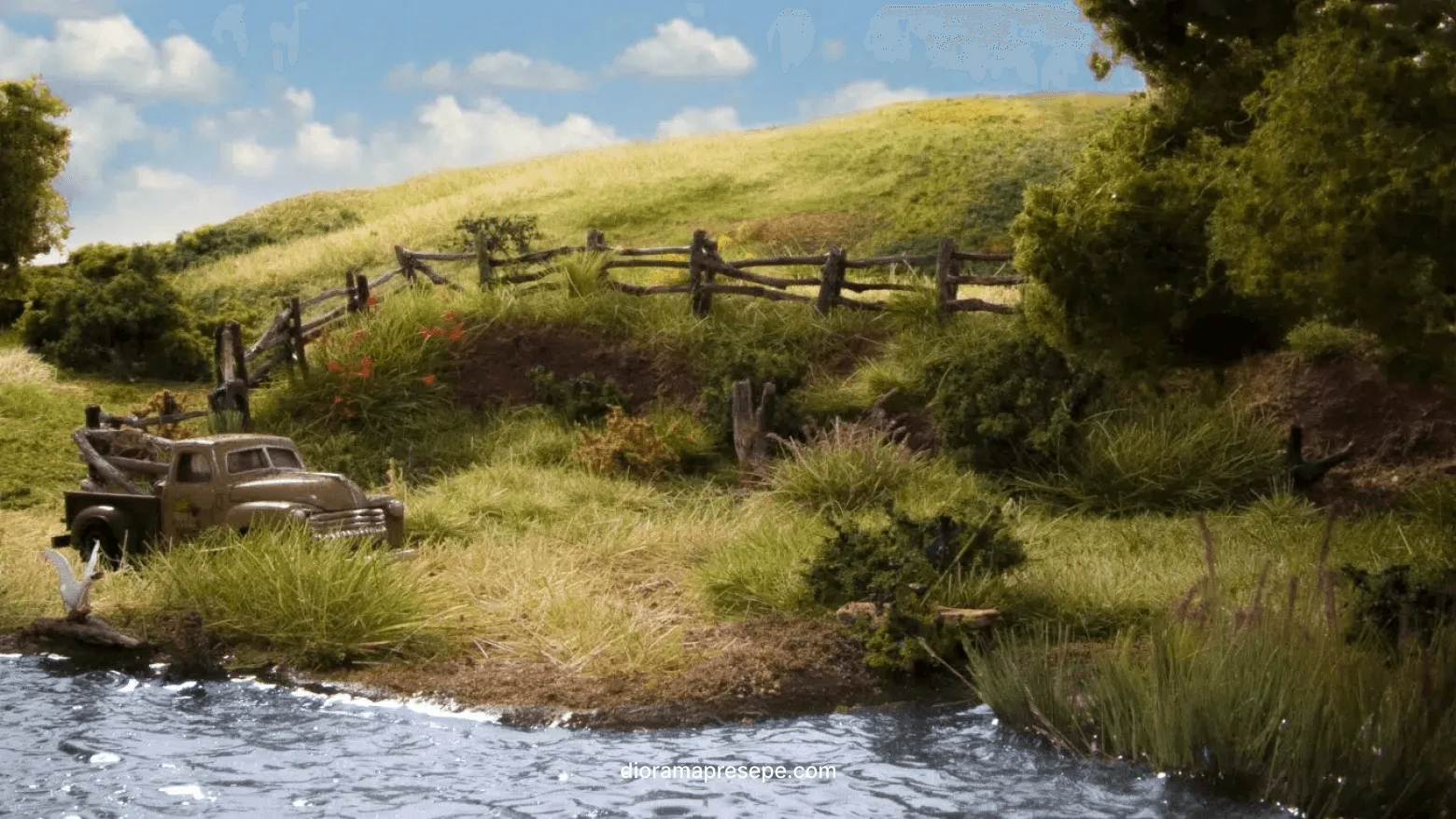
“Vegetation is the best part of dioramas. I love this part. Vegetation is the soul of the work.”
Materials and surface qualities
“There are many materials—good soil, preserved plants, electrostatic grasses, preserved natural elements, and so on. To avoid the ‘scale shine’ I use matte products, but the main thing is choosing the right materials from the beginning. Translucent or matte properties matter depending on the effect I want. Nature has many states; I look, decide, and aim for that.”
Tools, tech, and what stays handmade
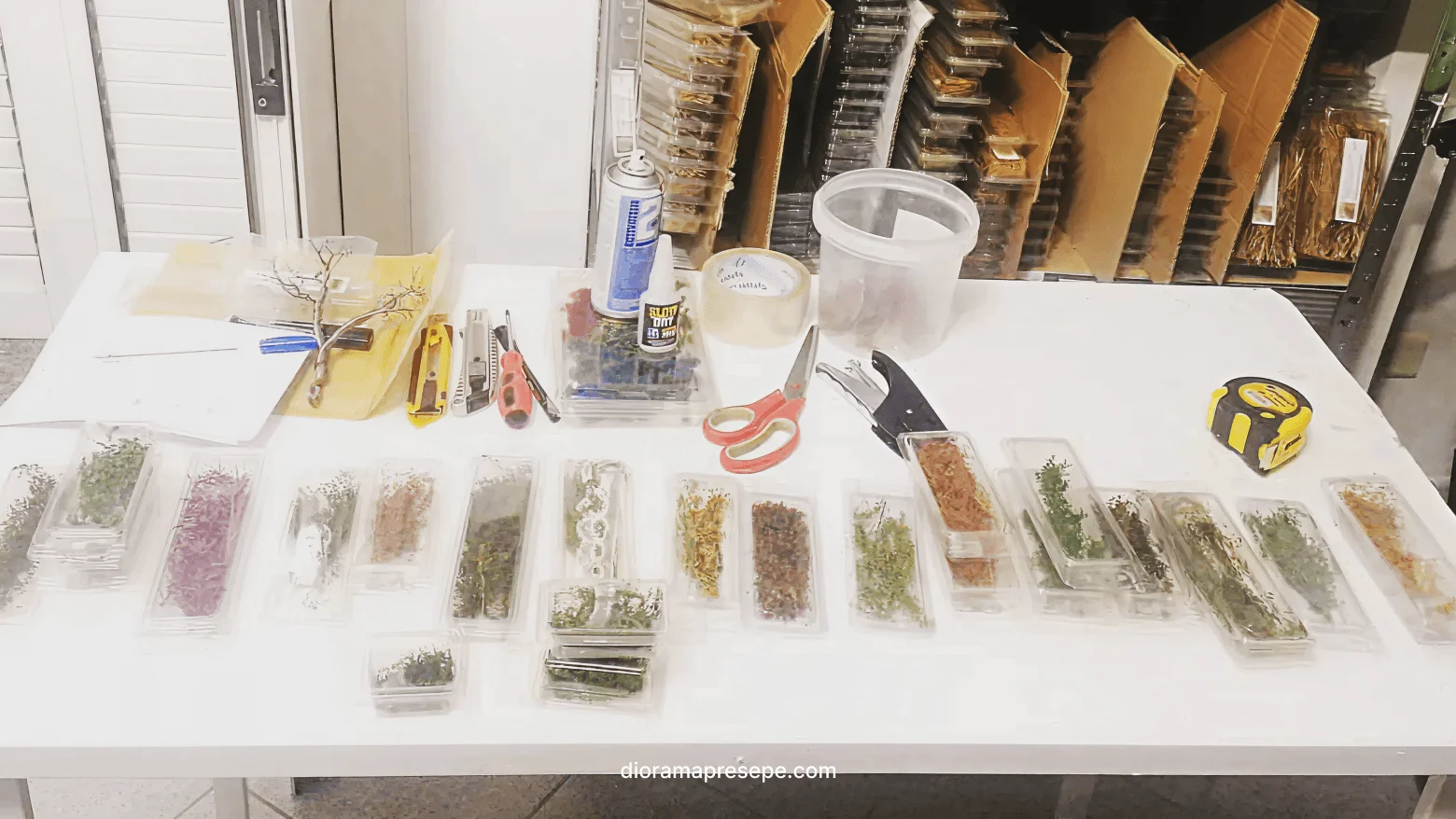
“I use all the technologies: laser, photo-etching, 3D printing, custom dies, CNC. But I prefer handmade. I have many products and many operations, so it’s a combination of automation and hand work. I always try to find handmade solutions. Keeping color and texture consistent is difficult, but using paint and colorant codes makes it much easier.”
Observation and reference
“I collect references in nature. To translate observations to scale you use a calculator and a ruler in millimeters. I don’t know any magazine I consider essential.”
Scales, difficulty, adaptation
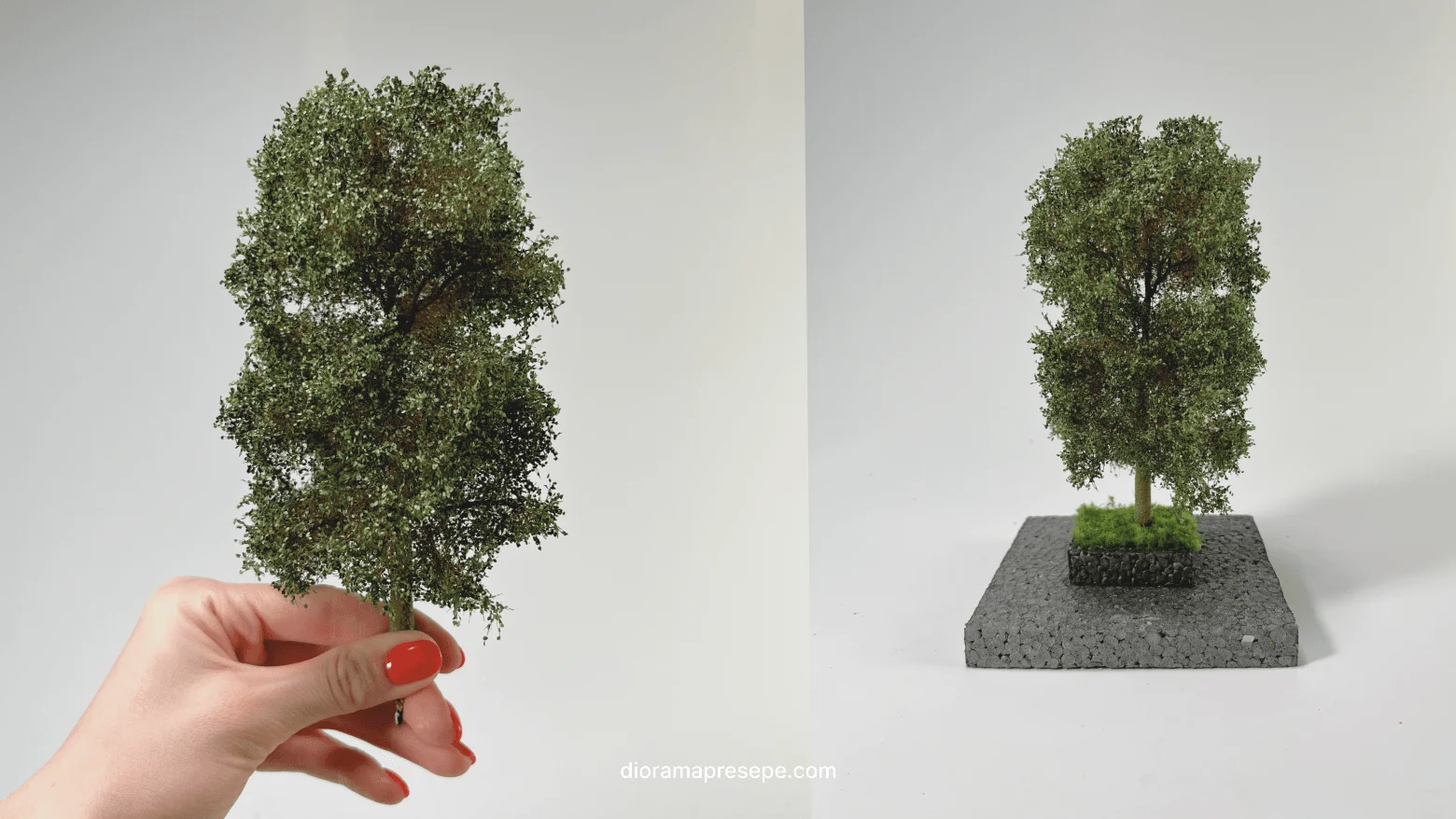
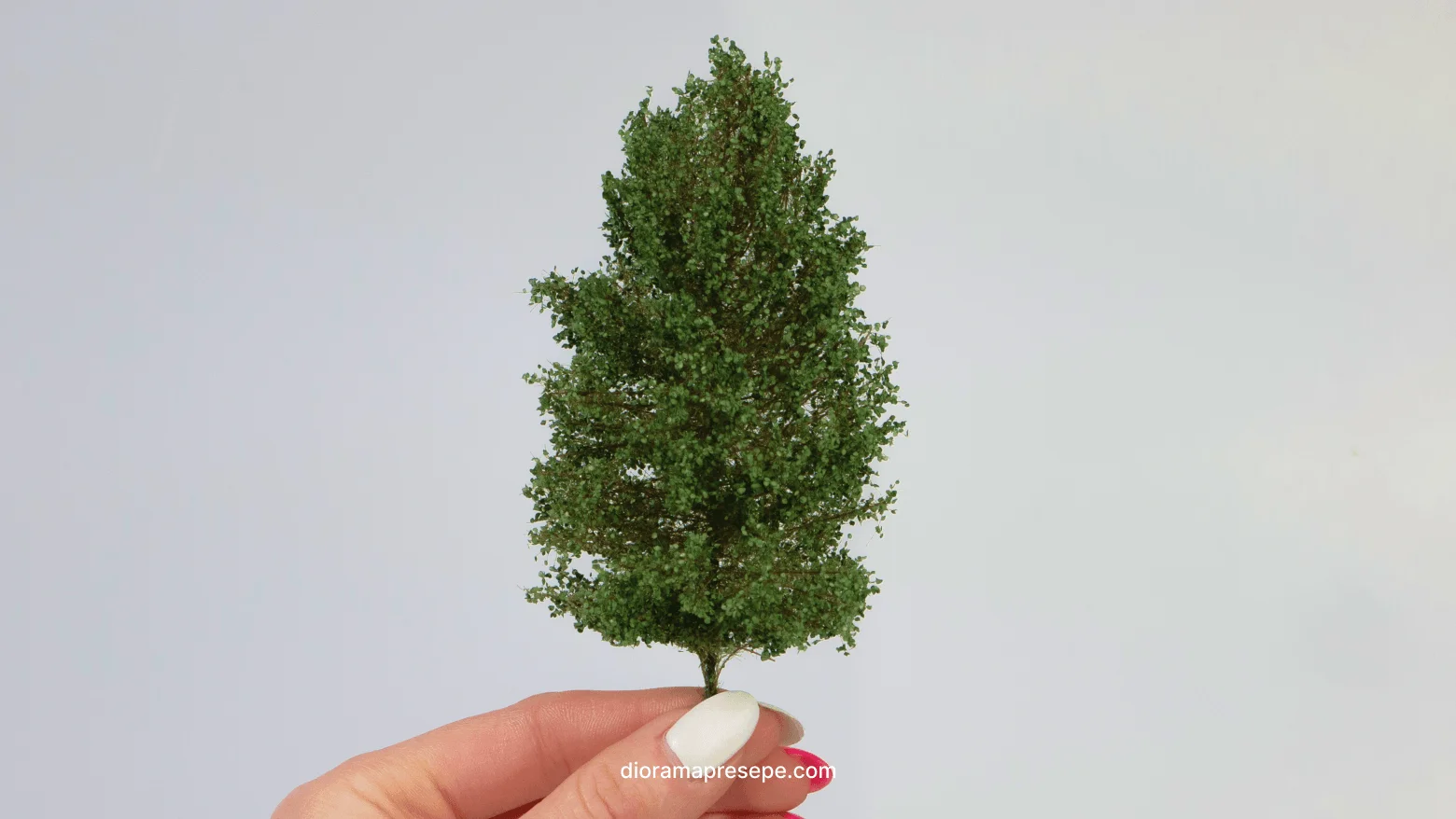
“My priority scale is 1:35. Trees are generally the most difficult because they take a long time. When changing scales, materials change, and often the smaller the scale, the harder it is.”
Paint and seasons
“Base painting: use an airbrush. For seasonal shifts I use standard colors—each area has its tones in each season, and you need to be universal. Common mistakes: using unsuitable vegetation from commercial brands, colors that are too bright, and never daring with special vegetation. To avoid mistakes, observe nature and replicate it in scale.”
Durability, packing, and care
Fabio’s approach can be summarized simply: vegetation should survive light, dust, humidity, and transport. That means testing UV resistance with calibrated lamps and checking color shift with a colorimeter; using protective matte varnishes and UV-filter sprays when needed; packing in rigid boxes with custom foam or PET trays so parts don’t crush; and advising clients to clean finished work with a soft air blower or makeup brush, using micro-vac tools only through a protective mesh.
Sales channels and the role of community
“The website www.dioramapresepe.com performs best: customers who want realistic vegetation and artisan materials prefer buying directly; they find the full range, detailed photos, size info, and guidance that marketplaces don’t offer. Marketplaces are good for visibility and newcomers. Dealers and hobby shops matter for international reach and for people who want to see and touch. Shows and fairs are excellent for brand exposure—seeing the vegetation in a live diorama convinces immediately. Community feedback shapes the roadmap: modelers ask for specific species, seasonal colors, exact heights; many new tufts and textures come from those requests. If multiple users say a product needs a different fiber length or tone, the formula is adjusted. Photos from artists help refine packaging, sizes, and mixes.”
Sustainability
“I’m working toward sustainability. I try recycled boxes, and in the future I’ll do my best to improve more.”
What makes DioramaPresepe recognizable
“Vegetation realism. Natural color transitions, irregular mixes, and handmade textures are something people recognize. Focusing deeply on vegetation for presepi, dioramas, and railways created a strong identity. And a community-driven presence—tutorials, collaborations, detailed photos, real-scene references—built trust.”
Looking ahead
“There will be lots of news. Materials, printing, painting, ready-made kits—these are important and will happen. If I were starting today, I would do everything the same way.”
Personal notes
“I’m most proud of scenes where vegetation becomes the story, not just decoration—especially mixed-season landscapes with subtle color transitions. When someone hesitates because they’re not sure if it’s a photo of nature or a miniature, that’s the best moment. My inspiration comes from real places: wetlands, alpine clearings, overgrown fields, forgotten railway edges. I study how plants cluster, compete, and decay. Photography, hiking, and botanical guides feed back into the products so vegetation behaves like the real thing—varying heights, irregular mixes, species combinations that feel authentic. Favorite scales: 1:35 and 1:48 for expressive vegetation; HO (1:87) for railways. The tool I can’t live without is a precision curved-tip tweezer. Materials I always keep on hand: high-quality static fibers in 2, 4, and 6 mm, plus fine natural debris—crushed leaves, sifted soil, micro-bark. Autumn forests are my favorite for texture and broken tones, though summer meadows are unbeatable for brightness. The most common mistake, even among experienced modelers, is uniformity. Real landscapes are irregular and layered. Add variation in tone, texture, and spacing and realism jumps immediately.”
Why we work with Fabio
Year after year we choose DioramaPresepe because the vegetation reads naturally at both close range and in wide shots. No carpet-flat surfaces, just living mixes with believable tone and height—and consistent batches and careful packing that save hours in production. If you’re new to his work, start with 1:35 vegetation and HO sets for railways, then tune heights and tones for your scenes. Don’t be afraid of “imperfections”—in nature, they’re the point.
Thank you for reading.
If you found this useful, please support the author.
Tip the author